

Echocardiography has been a vital diagnostic instrument for cardiologists, but their growing position inside the functioning space scars an important change in modern heart care. Dr. Austin Harris, a number one innovator in cardiac surgery, has pioneered new ways of integrating echocardiographic resources right into a wide variety of surgical procedures. His method not merely promotes surgical detail but also improves patient protection and recovery outcomes.
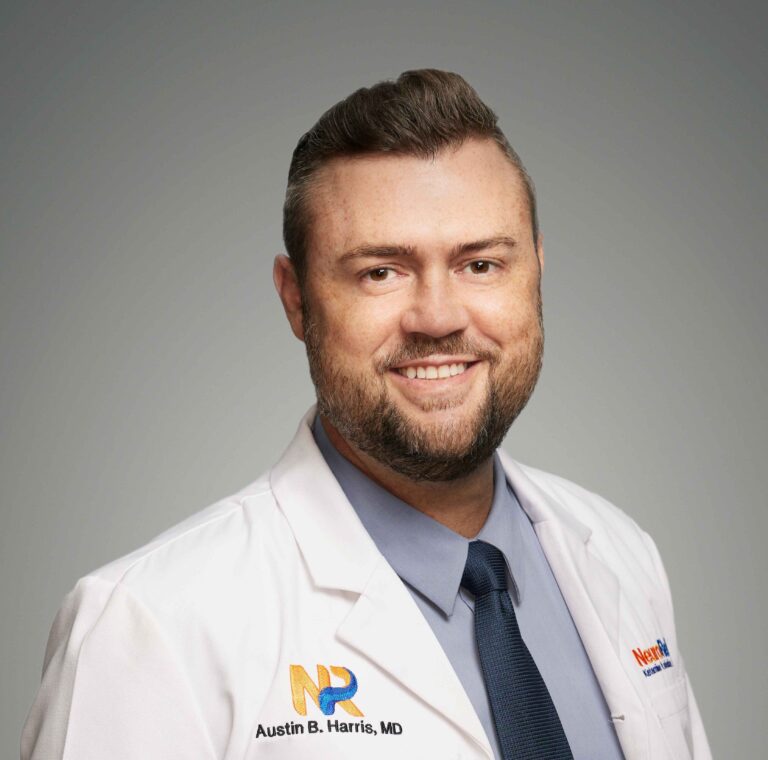
In the centre of Dr. Harris'technique may be the real-time visible depth that echocardiography provides. All through surgery, he employs sophisticated imaging programs to chart the structure and movement of the heart with outstanding clarity. This allows him to create very knowledgeable choices, specially when moving about delicate areas or fixing complex architectural defects. Real-time imaging becomes a guiding process, reducing guesswork and increasing the reliability of every operative step.
One of the most notable affects of his strategy is seen in minimally unpleasant cardiac procedures. Historically, surgeons relied seriously on direct visual coverage, which needed greater incisions. With Dr. Harris'echo-guided practices, smaller access items are sufficient since imaging compensates for the restricted visibility. Consequently, patients experience paid down pain, quicker healing, and shorter clinic stays. The process also broadens the number of conditions that can be treated without resorting to open-heart surgery.
Device repair and replacement surgeries specially take advantage of this imaging innovation. Dr. Harris employs echocardiographic resources to assess device function before, during, and following repair. That continuous evaluation assists make sure that the surgical correction defines the required movement characteristics. Additionally, it decreases the requirement for replicate procedures, as any essential adjustments may be built straight away whilst the patient is still in the operating room.
Beyond structural fixes, Dr. Austin Harris applies echocardiographic advice to take care of situations like atrial fibrillation and congenital heart anomalies. Specific imaging helps identify the exact tissue regions included, enabling targeted intervention. That reduces the danger of damaging encompassing center structures and increases long-term individual outcomes. Each method becomes more customized and responsive to the in-patient patient's anatomy and needs.
Dr. Harris also stresses the educational price of echocardiographic tools. He integrates these imaging practices into precise teaching programs, allowing new surgeons to see cardiac function in actual time. That fun learning accelerates talent growth and improves procedural confidence. Students gain a greater understanding of how heart structures act under different medical manipulations, fundamentally strengthening the overall field of cardiac surgery.

Still another crucial element of his function could be the ongoing refinement of imaging technologies. Dr. Harris collaborates with engineers and medical system specialists to develop software innovations and increase imaging resolution. These improvements further grow what can be achieved all through surgery and start the doorway to new techniques which were previously regarded too dangerous or complex.
In combining surgical knowledge with advanced imaging, Dr. Harris illustrates how technology may elevate conventional medical practice. His devotion to adding echocardiographic instruments has converted the medical environment, making heart techniques safer, far better, and more convenient to each patient. As more medical centers follow his techniques, the continuing future of cardiac attention develops significantly precise and patient-centered.